




1. Unclear rights and deadlines – many passengers give up because they don’t realise they can claim up to £520 when a flight arrives at least three hours late. There’s also a six-year time limit for contract-type claims; miss it, and you lose your chance.
2. Process feels daunting – travellers must complain to the airline, wait for ADR or the Civil Aviation Authority (CAA) and only then sue. Court forms demand a timeline, evidence and court fees. Without guidance, it feels overwhelming.
3. Evidence gaps – success hinges on good records: boarding passes, arrival times, receipts, complaint letters and the delay reason. Missing paperwork can sink a claim. Using a tool like CaseCraft.AI to organise evidence and generate letters before action can prevent costly mistakes.
Under UK law (Regulation 261/2004), British Airways passengers may be entitled to up to £520 compensation for significant delays or cancellations. If BA rejects your claim, small claims court is a viable option, though it’s essential to understand when it’s worth pursuing and how to maximise your chances of success.
This guide is only about British Airways. It focuses on what happens after a rejected British Airways compensation claim. It explains when taking British Airways to small claims court makes sense, and how to do it properly.
Many passengers ask the same thing: Can you take an airline to small claims court? Yes. And British Airways cases are common in an airline’s small claims court. This page shows how to deal with a failed British Airways flight delay claim or British Airways flight cancellation compensation issue.
What Compensation Covers and When You Are Eligible?
Before you think about taking British Airways to small claims court, you need to know exactly what British Airways must pay under UK/EU261 and when compensation is legally owed.
Cash Compensation Under UK/EU261
Airlines must provide fixed‑sum compensation when passengers suffer long delays, cancellations or denied boarding on flights covered by UK Regulation EC 261/2004. Eligibility depends on the flight distance, the length of the delay at arrival and the cause of the disruption. If your flight arrives three hours or more late, you could claim:
- £220 for flights under 1,500 km.
- £350 for flights between 1,500 km and 3,500 km.
- £520 for long‑haul flights over 3,500 km delayed by four hours or more.
These amounts apply per passenger and are payable when the delay or cancellation was the airline’s fault. Delays caused by extraordinary circumstances such as severe weather, security risks or air‑traffic‑control strikes do not qualify. Passengers also have rights when flights are rerouted: compensation is reduced if you reach your destination within two to four hours, depending on the distance.
Care and Assistance
Even if you can’t claim cash, airlines must provide care when flights are delayed. Under UK Regulation 261/2004, airlines must provide refreshment vouchers for delays over two hours, accommodation for overnight delays, and transport to hotels. These are legal obligations, not discretionary services. For delays over three hours, you may be entitled to compensation, and for delays over five hours, you can claim a refund if you choose not to travel. Under UK/EU rules, airlines must also provide food, drinks, hotel accommodation and transport when delays exceed set thresholds.
Flight Cancellations
If your flight is cancelled, you have the right to choose between a refund, re‑routing at the earliest opportunity, or re‑routing at a later date. Compensation is payable unless the airline informed you more than 14 days before departure, offered an alternative flight with a small timing difference, or the cancellation was due to extraordinary circumstances. Compensation levels mirror those for delays: £220, £350 or £520 depending on distance.
Steps to Take Before Starting a Small Claim
Before issuing a claim, the court expects you to show that you gave British Airways a fair chance to resolve the dispute and that you followed the proper escalation steps.
Complain to the Аirline
Start by submitting a formal claim through the airline’s complaints form, giving your booking reference, flight number, actual arrival time and the reason for the disruption. British Airways instructs passengers to raise a complaint via its portal and says that for delays over two hours, it will provide refreshments, and for delays over five hours, you can request a refund. Keep copies of all correspondence, boarding passes and any vouchers or receipts.
2. Collect Evidence and Track Costs
Record the actual arrival time (take a photo of the arrivals board), keep boarding passes, tickets and booking confirmations, and collect receipts for expenses such as meals, accommodation and alternative transport. Note the flight distance and delay length because compensation depends on these factors. Also, passengers should keep all travel documents and get written confirmation of the delay reason from the airline.
3. Escalate to ADR or the CAA
If the airline rejects your claim or fails to respond, you can raise the dispute with an approved alternative dispute resolution body. For British Airways, this is CEDR. The Civil Aviation Authority’s guidance notes that you should only take an airline to court after exhausting all other options. Contact the CAA’s Passenger Advice and Complaints Team and check their list of previously investigated flights.
4. Send a Letter Before Action
A letter before action (LBA) warns the airline that you intend to start legal proceedings if they don’t resolve your claim. Under the debt protocol, debtors have 30 days to respond; under general pre‑action practice, 14 days is usually considered reasonable. The letter should state the facts, the legal basis (UK/EU 261), the amount claimed (with interest and costs) and a deadline for response. CaseCraft.AI’s LBA generator automatically formats the letter, attaches required forms and logs the send date. You should still print and post it, keeping proof of postage and a copy for your records.
Send a Letter Before Action That Is Court‑Ready
Before you sue an airline in small claims court, your LBA must include:
- Parties – identify yourself and the airline with names and addresses.
- Background – summarise the contract (flight details), the delay and any correspondence.
- Amount due – break down the compensation and any interest or expenses.
- Evidence list – attach boarding passes, delay confirmations, receipts and prior letters.
- Deadline and consequences – give a clear response period (14 or 30 days) and state that you will file a claim if the airline fails to reply.
Sending the LBA by first‑class post and email creates a record of delivery. Courts may penalise claimants who skip this step or fail to allow sufficient time for the airline to respond.
Read our in-depth guide on how to write a compliant letter before action, with a free UK template and copy-paste examples.
How to File a Small Claim Online in the UK?
If the airline ignores your LBA or refuses to compensate you, you can start a claim through Money Claim Online (MCOL) or by sending a paper N1 form. You must send an LBA, then issue the claim using MCOL or the N1 form. The online form asks for your statement of claim, a timeline of events, your evidence and your preferred hearing location. You can upload documents through the portal. You’ll also need the airline’s registered address. For British Airways, this is Waterside, Harmondsworth, UB7 0GB.
Court Fees and Payment
Court fees depend on the amount you’re claiming. The government’s schedule for 2025 states:
| Claim amount | Fee (online) |
| Up to £300 | £35 |
| £300.01–£500 | £50 |
| £500.01–£1,000 | £70 |
| £1,000.01–£1,500 | £80 |
| £1,500.01–£3,000 | £115 |
| £3,000.01–£5,000 | £205 |
| £5,000.01–£10,000 | £455 |
These fees are payable when you file your claim and may be recoverable if you win. You can pay by credit or debit card when filing online. Fee remission may be available for claimants on low incomes.
Step‑by‑Step Process
Send an LBA and wait: You must give the airline at least 14 days to reply.
Register on MCOL: Create an account at the government portal and enter your details.
Prepare the particulars of claim: CaseCraft.AI helps structure a clear statement setting out the contract, the flight disruption, the compensation owed and the legal basis under UK/EU261, with an attached evidence list.
Pay the fee: Pay the appropriate court fee (see table above). CaseCraft.AI calculates this automatically based on your claim amount.
Serve the claim: The court serves the claim on the airline. British Airways then has 14 days to acknowledge and 28 days to file a defence.
Mediation: Since May 2024, claims under £10,000 automatically go to a free one‑hour mediation session. Be prepared to negotiate.
Hearing: If mediation fails, the court schedules a hearing. Small claims hearings are informal; you present your evidence, and the judge makes a decision.
Judgment and enforcement: If you win, the court orders the airline to pay. If they don’t pay, you can enforce the judgment using bailiffs or orders such as a warrant of control.
Responses, Mediation, Hearing and Settlement
After you file your claim, the airline may respond in several ways:
- Pay in full: They accept your claim and pay the compensation and court fees.
- Negotiate or propose a settlement: They might offer vouchers or partial compensation. Decide whether the offer is acceptable; you can still pursue cash compensation if vouchers don’t match your rights.
- Dispute the claim: They may argue extraordinary circumstances or dispute the delay duration. Be ready to counter with evidence and relevant regulations.
- No response: If they don’t reply, the court may enter a default judgment in your favour.
Mediation is encouraged; it’s quicker, less adversarial and free for small claims. Refusing mediation without a good reason can affect the judge’s view. Hearings usually take place several months after filing. Uncontested claims resolve in 4–6 weeks, while disputed claims can take 3–9 months.
Evidence Checklist for Flight Delay/Cancellation Claims
Winning a flight delay compensation small claims court case requires strong evidence. Keep the following:
- Flight details: Booking confirmation, e‑ticket, boarding passes and seat number.
- Proof of delay: Photo of arrival boards, emails from the airline, or official confirmation of arrival time. Contend Legal emphasises keeping written confirmation of the delay reason.
- Delay cause: Correspondence or statements showing the reason was within the airline’s control. Extraordinary circumstances (bad weather, security risks) defeat compensation.
- Receipts: Food, drink, accommodation and transport costs; the airline must reimburse reasonable expenses.
- Previous correspondence: Copies of your complaint, the airline’s response, the ADR outcome and the LBA. CaseCraft.AI stores these and creates an audit trail.
- Timeline: Create a chronological timeline of events from booking to arrival. Judges appreciate a clear narrative.
- Witness statements: If others travelled with you, statements corroborating the delay can strengthen your case.
CaseCraft.AI offers an evidence pack builder that helps you compile these documents, organise them by category and generate a schedule of losses, reducing the risk of omission.
British Airways Claims: How the Process Works and When to Escalate?
British Airways (BA) channels most claims through its delays, cancellations and refunds portal. BA advises passengers to head to the airport and check flight status; for delays over two hours, they aim to provide refreshment vouchers, for delays over three hours, you may be entitled to compensation, and for delays over five hours, you can claim a refund if you no longer wish to travel. When flights are cancelled, BA offers rebooking, alternative transport or a refund and will provide accommodation if a new flight isn’t available until the next day.
BA Complaints and ADR
- Initial complaint: Submit your claim via BA’s online form with your booking reference, flight details and receipts.
- Chase within eight weeks: If BA hasn’t responded after eight weeks, you can take the complaint to CEDR (the aviation ADR body). The CAA notes that ADR should be attempted before court.
- Consider small claims: If BA rejects your complaint and ADR fails, you may pursue taking British Airways to small claims court. Follow the general process outlined above. A Head for Points case study showed that filing a claim online is straightforward but requires a timeline, statement and fee; the author paid £25 to issue the claim and another £25 hearing fee and eventually recovered £282 plus fees after the airline settled shortly before the hearing.
Decision Tree for BA Flight Claims
No response after eight weeks: Follow up with BA and then file with CEDR.
Rejected due to “extraordinary circumstances”: Request evidence; CAA guidance advises passengers to verify that the airline’s claim is valid.
Offered vouchers or partial refund: Compare the amount to statutory compensation (£220, £350, £520). If insufficient, refuse and pursue cash.
Because BA is a large airline, expect it to file a defence. Be prepared with evidence and be patient; some claims take months. However, many disputes settle before the hearing.
Next Steps
Taking an airline to small claims court is a structured process. You must first submit a complaint to the airline, gather evidence, send a clear letter before action and try ADR. Only then should you file a claim through MCOL, pay the appropriate fee and prepare for mediation or a hearing. Ensure you stay within the six‑year limitation period and build a robust evidence pack.
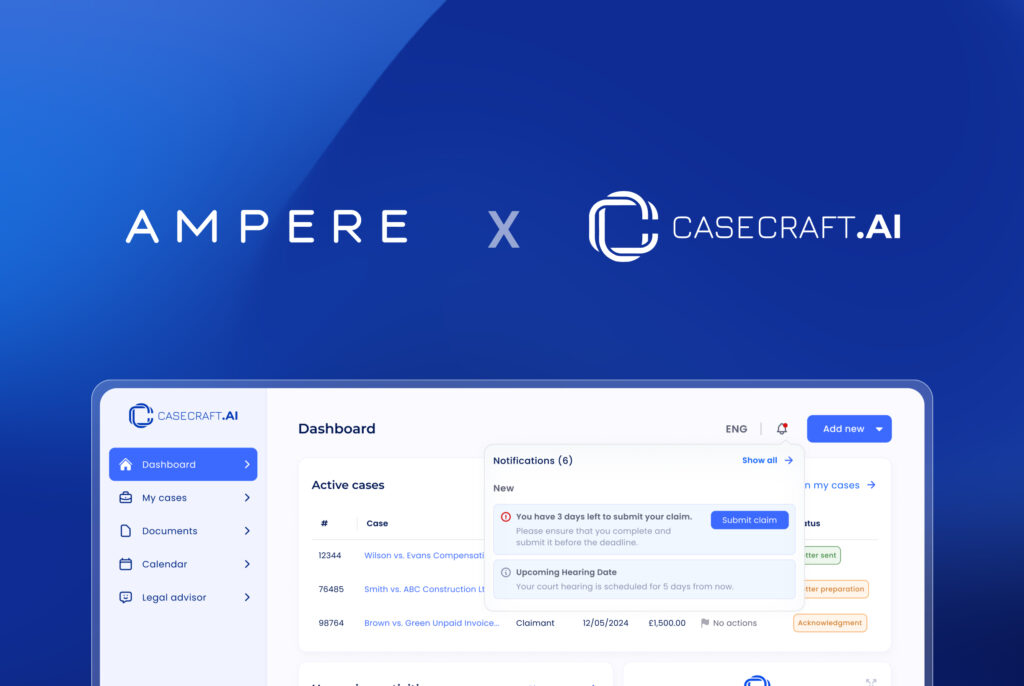
CaseCraft.AI simplifies each stage: it generates letters before action, organises your evidence, calculates court fees and guides you through the MCOL filing process. Whether you’re pursuing flight delay compensation small claims court damages or flight cancellation compensation, small claims court redress, the platform helps you avoid common errors and manage your case from start to finish.
If you’re ready to act, start your British Airways claim with CaseCraft.AI or generate a court‑ready letter before action today.
FAQ
Can I claim compensation from British Airways for a delayed flight?
Yes, you may be entitled to compensation if your British Airways flight arrived three hours or more late and the disruption was within the airline’s control. Under UK Regulation 261/2004, passengers can receive between £220 and £520 depending on flight distance and delay length.
When is British Airways not required to pay compensation?
Compensation is not payable if the delay or cancellation was caused by extraordinary circumstances such as severe weather, air traffic control restrictions, or security risks. However, the airline must still provide care such as meals, accommodation, or transport where applicable.
How long do I have to make a flight delay or cancellation claim?
In the UK, you generally have up to six years to bring a compensation claim against British Airways. Missing this limitation period means you lose the legal right to pursue compensation through the courts.
Do I need to complain to British Airways before going to court?
Yes. Before starting small claims proceedings, you must first submit a formal complaint to the airline and allow them time to respond. If the claim is rejected or ignored, you should escalate it to ADR before considering legal action.
What evidence do I need to support a compensation claim?
Strong documentation improves your chances of success. This includes booking confirmations, boarding passes, proof of arrival time, receipts for expenses, and any correspondence with the airline explaining the cause of the delay or cancellation.
Is it worth taking British Airways to small claims court?
If your claim has been rejected and you have clear evidence that the disruption was the airline’s responsibility, the small claims court can be an effective way to recover compensation. Many claims settle before a hearing, especially when passengers present a well-prepared case.