




1. Unclear liability – tenants often don’t know whether they or their landlord must tackle a pest problem. The law says the landlord is usually responsible when poor maintenance or structural defects allow pests in.
2. Health hazards and losses – infestations can spread disease, damage belongings and make part of your home unusable. You may be entitled to compensation for losses and distress if the landlord fails to act.
3. Complex process – reporting pests and claiming compensation requires careful steps: document evidence, notify your landlord, involve environmental health if needed, then consider a small claim via a platform like CaseCraft.AI.
Introduction
Pest infestations make a rented property unsafe and sometimes uninhabitable. Rats, mice, cockroaches, bed bugs and other pests can contaminate food, spread disease, ruin furniture and cause stress. Yet many tenants are unsure who must fix the problem. Does your tenancy agreement force you to call the exterminator, or is it your landlord’s job? And if the landlord fails to act, can you recover your costs through the courts?
Under English and Welsh housing law, landlords have a duty to ensure their properties remain fit for human habitation and reasonably free from hazards. Pest problems linked to structural defects, disrepair or poor maintenance fall squarely under that duty. Note: This guide primarily applies to England. Welsh tenants should refer to the Renting Homes (Wales) Act 2016 for current provisions.
This guide explains how to determine liability for pest infestations, how to gather evidence and report the problem, and when compensation may be available.
Understanding Landlord Liability and Claim
It is crucial to understand the landlord’s responsibility before taking action. When you make a pest infestation claim, you must show that the infestation stems from disrepair or poor maintenance – this establishes landlord liability for pest infestation under housing law. Once liability is clear, tenants can seek compensation for pest infestation and enforce the landlord’s pest control responsibility. Knowing your tenant rights regarding pest infestation empowers you to act quickly and assertively when problems arise.
When Is a Landlord Responsible for Pest Infestations?
Landlords are not responsible for every creepy‑crawly that appears in your flat. UK law makes them liable when the infestation results from issues that fall within their repair obligations. A landlord must address pests if they are caused by any of the following:
- Structural defects or poor construction – Holes in walls, missing roof tiles, broken bricks, damaged vents and ill‑fitting doors or windows allow rodents and insects to enter. Such disrepair gives pests access to your home, so the landlord must fix the defect and pay for extermination.
- Lack of maintenance or waste build‑up – Damp, mould, leaking pipes, blocked drains, and accumulated rubbish create harbourage for pests. The landlord must ensure proper waste storage and keep the exterior free from cracks and holes.
- Infestation present at the start of the tenancy – If pests were there before you moved in, the landlord has a clear duty to put things right.
- Failure to act on reports – When tenants promptly report signs of pests and the landlord ignores the problem, the landlord may be liable for subsequent damage.
These responsibilities stem from several pieces of legislation. The Housing Health and Safety Rating System (HHSRS) looks at hazards in a home, including issues with hygiene, pests and refuse. It requires landlords to reduce these risks. The Homes (Fitness for Human Habitation) Act 2018 updates the Landlord and Tenant Act 1985. It requires rented homes to be fit for human habitation and free from serious hazards for the entire tenancy.
If a property design or maintenance issue makes it “more susceptible to a pest infestation,” the landlord must resolve it. Local councils can serve enforcement notices on landlords who fail to pest‑proof their properties.
When Is the Tenant Responsible?
Tenants may be liable if their actions directly cause an infestation. Examples include:
- Poor hygiene or waste disposal – Leaving food out, storing refuse inside or allowing bins to overflow can attract rats, mice and insects.
- Introducing pests – Bringing bed bugs in luggage or buying second‑hand furniture infested with pests can make you liable for treatment.
- Refusing access for repairs or pest control – Landlords may not be responsible if you prevent them from entering the property to carry out treatments.
A landlord cannot simply blame the tenant without evidence. They must prove that the infestation was wholly or mainly due to the tenant’s actions. In most cases, pests arise because of property defects, so the responsibility remains with the landlord.
Common Pest Infestation Problems in Rented Homes
Pest species vary, but certain scenarios appear again and again in UK rented housing:
- Rats and mice entering via structural holes – Rodents exploit gaps in walls, cellar windows or broken air bricks. When you encounter rats in rented property, landlord obligations arise: the landlord must seal structural gaps and organise treatment. They leave droppings, gnaw marks and nests behind, contaminating food and spreading disease.
- Mice and insect problems caused by poor upkeep – A mice infestation landlord obligations scenario occurs when mice enter through disrepair or poor waste management. This kind of housing disrepair pest is linked to damp, mould and rubbish, and landlords must repair defects and improve waste storage.
- Cockroach infestations due to building‑wide issues – Cockroaches often travel through service ducts and pipe holes between flats. If you discover cockroaches in rented homes in the UK, this usually indicates a wider problem. Landlords should coordinate treatment across the building to stop reinfestation.
- Bed bugs from previous tenants – These nocturnal insects hide in mattresses and carpets and can survive long periods without food. Bed bugs in rented property in the UK require professional heat treatment. Landlords must arrange treatment if bed bugs were present before you moved in.
- Fleas in carpets and pets – Flea infestations often persist in carpets when properties are not properly cleaned between tenancies. Tenants with pets should use regular flea treatments and vacuum often.
- Wasps, bees and pigeons – Damaged roof tiles and soffits allow wasps and birds to nest. Broken fascia boards are the landlord’s responsibility to repair. These structural defects illustrate how structural gaps in landlord liability can give rise to pest problems.
- Infestation from neighbouring flats – If pests spread from another unit, report it to your landlord. They may need to liaise with the building owner or freeholder.
Your Rights as a Tenant
You have several clear rights under UK housing law when dealing with pest infestations. These rights help you stay safe, request repairs, and seek compensation when the landlord is responsible.
Right 1: Safe and Habitable Home
You have a right to live in accommodation that is fit to inhabit. The Homes (Fitness for Human Habitation) Act implies a term into every tenancy agreement that the property will be fit at the start of the tenancy and remain so throughout. Serious hazards like pest infestations render a home unfit for habitation.
Right 2: Repairs to Prevent Pests
Landlords must keep the structure and exterior in good repair. Under the Landlord and Tenant Act 1985 and HHSRS guidance, they should repair cracks, holes, drains and defective doors/windows that allow pests entry. Councils can compel landlords to do such repairs through enforcement notices.
These obligations are part of broader landlord repair responsibilities under English housing law. Failure to remedy disrepair is sometimes called disrepair causing infestation because broken roofs, missing brickwork and damp can attract pests and allow them inside. When a home has serious defects, it may become unfit for human habitation in England and fall below habitable housing standards.
Note: In Wales, the Renting Homes (Wales) Act 2016 provides the statutory framework for fitness standards.
Right 3: Professional Pest Control (When Landlord Is Responsible)
If the infestation is not your fault, the landlord must pay for professional treatment and any necessary remedial work. Local councils advise that landlords may need to employ a pest control contractor to treat rats, mice, cockroaches, bed bugs and other pests. In some cases, councils provide subsidised pest control services (see Stockport Council prices below) but will usually refer tenants back to their landlord unless there’s a public health hazard.
Right 4: Claim Compensation
You may claim damages when an infestation caused by landlord negligence damages your belongings, makes parts of your home unusable or causes illness. Courts can award modest sums for distress and inconvenience. Compensation claims typically cover:
- Financial losses – Cost of replacing furniture, clothing and food spoiled by pests, as well as pest control bills when landlords fail to act.
- Rent reduction or refund – If part of your home is unusable due to infestation, you may seek a reduction in rent. Use photographic evidence and note when rooms became unusable.
- Medical expenses – Serious infections can lead to allergies, asthma attacks or infections. Keep receipts for prescriptions or treatments.
These remedies fall under tenant compensation in UK cases. When making a claim, emphasise that your damaged belongings and pests resulted from the landlord’s failure to keep the property fit for habitation.
Right 5: Protection from Retaliatory Eviction
You cannot be legally evicted for requesting repairs or pest treatment. The Deregulation Act 2015 restricts “revenge eviction.” Shelter advises you to report pest problems promptly and to keep evidence of all communication.
Step‑by‑Step: What to Do If You Have a Pest Infestation
If you discover pests in your home, follow these steps to protect your rights and ensure the issue is handled properly.
1. Document the Problem
Start by gathering evidence. Photograph droppings, nests, holes and damaged belongings. Video the pests if possible. Record the date you first noticed them and any health impacts, such as bites or allergies. Keep receipts for cleaning supplies or DIY treatments.
2. Notify the Landlord in Writing
Write to your landlord or managing agent describing the infestation and what you’ve documented. Include photographs and ask them to arrange repairs and professional pest control. Refer to their obligations under the HHSRS and Fitness for Human Habitation Act. Keep copies of all correspondence.
3. Allow Reasonable Time for Action
Landlords must act within a reasonable timeframe. For serious infestations that pose a health risk, councils expect swift action, within days for rats, mice or cockroaches. Awaab’s Law now requires social landlords to fix serious hazards like damp and mould, and will extend to pest infestations by 2026. If you rent from a private landlord, allow a couple of weeks for them to arrange treatment unless the situation is urgent.
4. Contact Environmental Health
If the landlord refuses to act or delays unreasonably, contact the Environmental Health department at your local council. They can inspect your home, verify that the infestation poses a hazard and issue enforcement notices requiring the landlord to fix defects and treat pests. Councils such as the Royal Borough of Kensington and Chelsea can serve notices and recover costs from landlords who do not comply.
5. Request Reimbursement or Compensation
Where the landlord is at fault, you can ask for reimbursement of pest control costs and replacement of damaged belongings. Document every expense. Use the small‑claims process if they refuse to reimburse you. CaseCraft.AI’s platform automates document preparation and evidence organisation for small claims, up to £10,000.
6. Issue a Formal Complaint
If delays persist, follow your landlord’s formal complaints procedure. This often involves writing to a senior manager or the landlord’s head office. Provide a timeline of events and evidence. This step demonstrates that you gave the landlord every opportunity to resolve the problem before escalating.
7. Consider a Small Claim
When all else fails, you may file a small claim for property damage, cleaning costs, temporary accommodation and reduced enjoyment of your home. The UK small‑claims track generally covers claims up to £10,000. CaseCraft.AI offers an AI‑driven platform that prepares court forms and evidence bundles, making small claims less daunting. Claims above £10,000 usually move to the fast track of the County Court and may require solicitor involvement.
What Compensation Can You Claim?
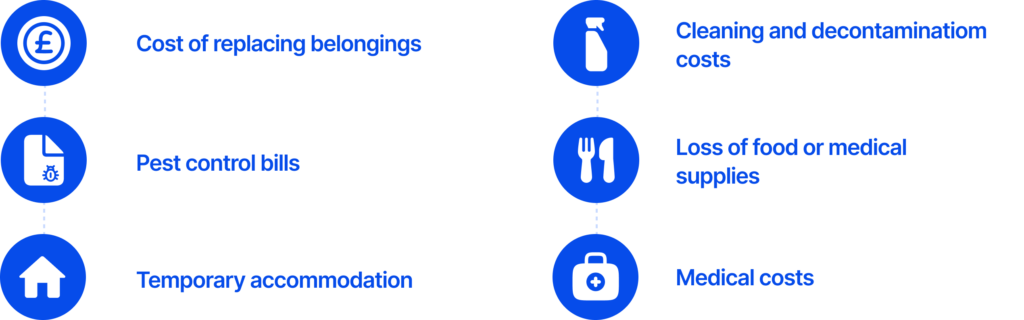
Compensation aims to put you back in the position you would have been in had the landlord complied with their obligations. Categories include:
Financial Losses
- Replacement of damaged belongings – Pests can ruin furniture, clothing and electronics. Provide receipts or estimates for replacements. In a recent Stockport Council price list, treatment for bed bugs in up to three rooms costs £236.50, and rats or mice treatment costs £102, which illustrates the scale of losses you may incur.
- Pest control bills – If the landlord refuses to act, you may need to pay for private pest control. Costs vary widely. Checkatrade estimates most treatments between £150 and £500, while moth and bed bug eradication can cost £500 to £1,000. Local councils often charge lower rates; Stockport Council charges £147.40 for fleas or cockroaches and £116 for wasps. Rats and mice treatments cost £102, including two revisits.
- Temporary accommodation – If your home is uninhabitable, you may claim hotel expenses or the cost of staying with family or friends. Keep receipts and note dates when you could not use rooms.
- Cleaning and decontamination – After treatment, you may need specialist cleaning. Include invoices for decontamination services.
- Loss of food and medicine – Infested food or contaminated medicines must be thrown away. Note purchase dates and replacement costs.
- Medical costs – Severe infestations can trigger asthma, allergies or infections. Keep receipts for GP visits, prescriptions or over‑the‑counter treatments.
Reduction or Refund of Rent
You may seek a rent reduction if a room or your entire home is unusable because of pests. Courts assess the seriousness and duration of the problem when determining rent refunds. For instance, if cockroaches prevented you from using the kitchen for two weeks, you could claim a proportion of your rent for that period.
Damages for Distress and Inconvenience
Courts may award modest sums for the stress and inconvenience caused by an infestation. While amounts vary, they recognise the anxiety and disruption pests cause.
How to Prove the Infestation Was the Landlord’s Responsibility?
Evidence is the key to a successful compensation claim. To show that the infestation resulted from landlord negligence:
- Photograph structural defects – Capture holes, cracks, broken vents and ill‑fitting doors. Show how rodents or insects could enter the property.
- Provide pest control reports – If professionals identify entry points or disrepair as the cause, include their report. Such reports link the infestation to the landlord’s failure to repair.
- Submit Environmental Health inspection results – Local council inspectors can confirm that pests are a hazard and that the landlord must act.
- Prove the infestation pre‑dated your tenancy – Move‑in inspection reports or check‑in inventories can show that pests were present when you arrived.
- Show prompt tenant reporting – Keep copies of letters, emails or messages to the landlord. Courts look favourably on tenants who report problems quickly and give landlords time to respond.
- Demonstrate landlord inaction – Record dates of your notices and any replies. If the landlord fails to organise repairs or pest control, note the elapsed time.
To strengthen your case still further, request an Environmental Health inspection from your local council. Inspectors assess HHSRS hazards such as domestic hygiene, pests, and refuse, and their reports can show that structural gaps, landlord liability or disrepair led to the infestation. These reports also demonstrate that the property failed to meet habitable housing standards.
When to Take Legal Action?
You should consider legal action when:
- The landlord refuses to treat the infestation or denies responsibility despite evidence.
- Belongings, health or enjoyment of the property are significantly affected.
- You incur financial losses for pest control, replacement items or temporary accommodation.
- Part of your home becomes uninhabitable, and the landlord fails to compensate you.
- The landlord causes major delays in responding to your reports or Environmental Health notices.
A small claim is appropriate for compensation amounts up to £10,000. You can file the claim yourself through the online court system or use CaseCraft.AI, which automates the process and creates court‑ready documents. For claims above £10,000, you will be on the “fast track” and may need legal advice. Remember that you cannot recover legal costs in small‑claims cases, so keep your claim proportionate.
Next Steps
Pest infestations in rented homes are not merely nuisances; they can threaten your health, damage your possessions and disrupt your life. UK law gives tenants robust rights to safe, habitable housing. Landlords are generally responsible for pests caused by structural defects, poor maintenance or pre‑existing problems, while tenants must avoid behaviours that attract pests. If your landlord fails to act, you have clear steps: document evidence, report the issue, involve Environmental Health if necessary and seek compensation.
For most low‑value claims, the small‑claims process offers a straightforward route to justice. CaseCraft.AI’s AI‑driven platform can help you prepare court‑ready documents, manage evidence and track deadlines without needing a solicitor.
Start by reviewing your tenancy agreement, gathering evidence and notifying your landlord. If they don’t resolve the problem, consider filing a claim and holding them accountable. By taking action, you not only protect your own home but also help raise standards in the private rented sector.
Note: This guide explains common processes, but it is not legal advice and should only be used for general information.
FAQ: Small Claims vs Mediation
Is my landlord responsible for pest infestations?
Landlords are usually responsible when pests enter through structural defects, disrepair or poor maintenance. They must provide a home free from serious hazards under the Homes (Fitness for Human Habitation) Act. Tenants are only liable if their behaviour caused the infestation.
What if pests were already present when I moved in?
If pests were in the property at the start of your tenancy, the landlord must arrange treatment and repairs. Inform them immediately and provide evidence.
Who pays for pest control in a rented property?
The responsible party pays. Landlords pay when poor maintenance or design causes the infestation; tenants pay when their actions attract pests. Even when the tenant is responsible, the landlord should organise treatment and recover costs later to avoid delays.
What evidence do I need for a pest infestation claim?
Photographs of pests and entry points, pest control reports, Environmental Health reports, receipts for expenses, and proof that you notified the landlord promptly all strengthen your claim.
Can I get a rent reduction?
Yes. If an infestation makes part of your home unusable, you can request a proportional reduction in rent. Courts consider the duration and severity of the problem when deciding reductions.
Can I claim for damaged belongings?
You can claim for belongings damaged by pests if the landlord was responsible for the infestation. Keep receipts or valuations for replacements.