

Sea Injury Claims
Injured at sea and unsure where to turn? Whether it was a slip on a ferry, a fall on a cruise ship or an accident on deck, you may be entitled to compensation. CaseCraft.AI takes the complexity out of maritime small claims, guiding you step by step with smart automation and clear legal support.


Proven Expertise in Boat Accident Claims
Maritime accidents are more common than many people realise. The UK’s Marine Accident Investigation Branch (MAIB) receives over 1,400 reports of accidents (casualties and incidents) each year. In 2024, the MAIB logged 1,631 accident reports involving UK-registered vessels around the world, as well as foreign vessels operating in UK waters, affecting a total of 1,753 ships. These figures cover everything from holiday mishaps to industrial incidents on offshore wind farms. The causes are varied – collisions between vessels, reckless operation of jet skis, poorly maintained decks and gangways, improperly secured equipment, negligent excursions like diving trips, or failures in lifesaving equipment. Every case is different, but all require careful investigation and a clear understanding of maritime law.
Traditional solicitors have long emphasised the importance of specialist knowledge. Maritime injury claims involve international conventions, the Admiralty Court and shorter limitation periods than land‑based claims. One major law firm notes that it may be possible to bring a boat accident claim against a boat’s owners or its shipbuilders, and establishing fault can be complex. Another explains that specialist marine law solicitors are needed because different time limits apply, sometimes requiring you to “arrest a ship” to secure compensation, and that most sea‑accident claims must be brought in the High Court’s Admiralty division. These complexities mean that, even for relatively small amounts, many people feel overwhelmed by the prospect of making a claim.
What Compensation Can Cover?
The purpose of a claim is to put you back, as far as money can, in the position you were before the injury. Under maritime law, compensation may cover:
- Medical expenses – treatment costs, rehabilitation, physiotherapy, mobility aids and travel to hospital.
- Lost earnings – wages or income lost because you were unable to work, as well as future earnings if your ability to earn has been reduced.
- Care and assistance – costs of paid care or support provided by family members.
- Property damage – replacing damaged personal items (e.g. phones, glasses) or possessions lost overboard.
- Pain and suffering – compensation for the physical pain and emotional distress caused by the accident.
- Travel or holiday costs – reimbursement of unused portions of a cruise or excursion and associated expenses.
Why Choose CaseCraft.AI for Sea Injury Small Claims?
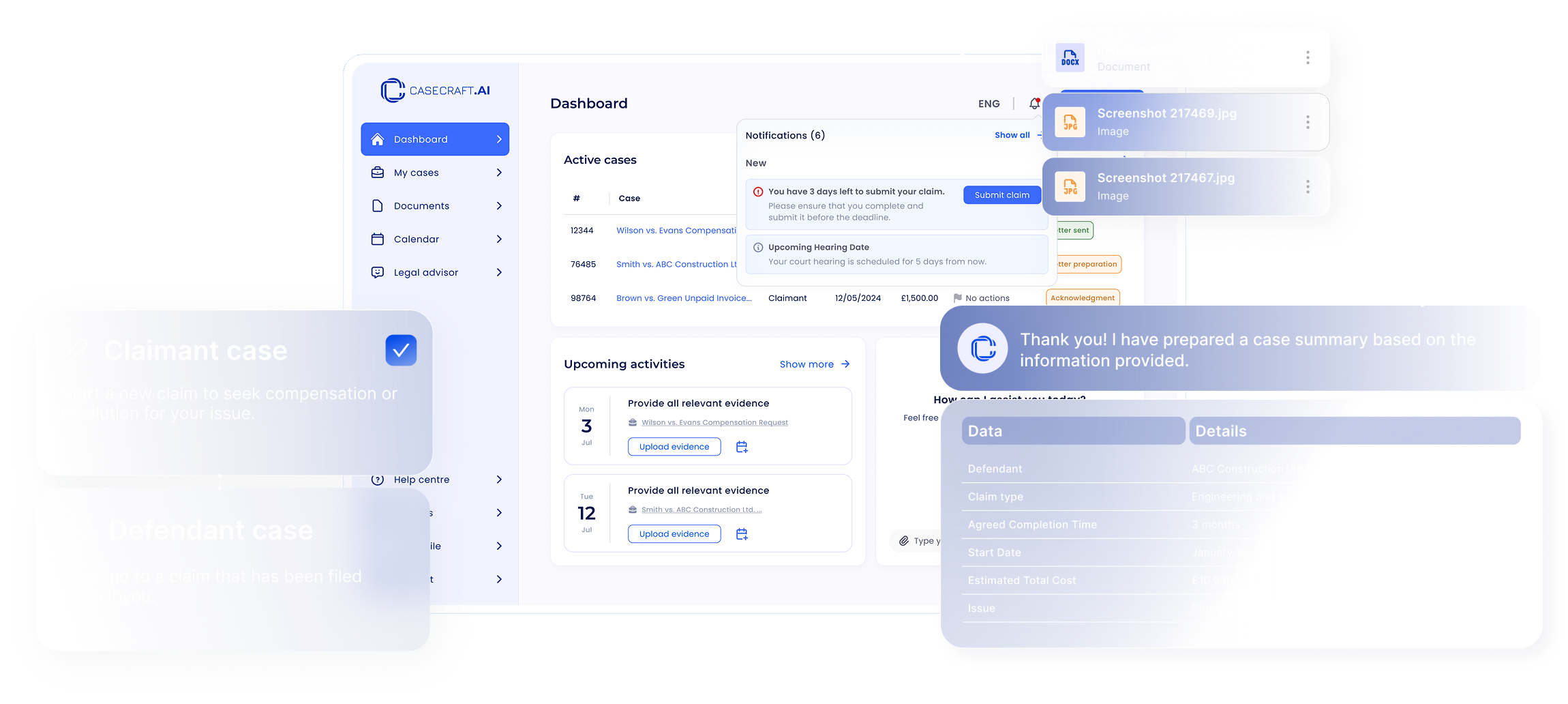
CaseCraft.AI is different. Legal professionals have designed our platform to make small claims straightforward. Using AI‑powered document generation, live case tracking and an integrated legal advisor, we take care of the technicalities while you focus on getting well. The system automatically fills in court forms with precision, checks your eligibility (for example, your boat accident claim must be under £10,000), and guides you through every step. A small processing fee is payable up‑front, and we charge only a 10% success fee if you win; there are no hidden costs. Because the platform is cloud‑based, you can initiate and manage your marine claim from anywhere in the UK.
By blending proven legal expertise with smart technology, CaseCraft offers you the best of both worlds: specialist knowledge without the sky‑high fees. We’re not a law firm, but we work closely with lawyers and regulators to ensure compliance with the latest maritime and small‑claims procedures. Our mission is to democratise justice by making the claims process accessible, affordable and transparent.
CaseCraft.AI helps passengers and consumers pursue straightforward compensation when things go wrong at sea, such as:
- Slips, trips or minor falls on ferries, cruise ships or harbour vessels
- Small-scale accidents during excursions like parasailing, snorkelling or boat tours (where the loss is financial or the injury is minor)
- Limited property damage – e.g. broken glasses, lost luggage or a damaged phone
- Refund disputes for cancelled excursions, unused holiday packages or poor safety standards
- Minor injury claims – cuts, bruises, sprains or whiplash that do not exceed small-claim thresholds
What Will Happen When I Make a Claim?
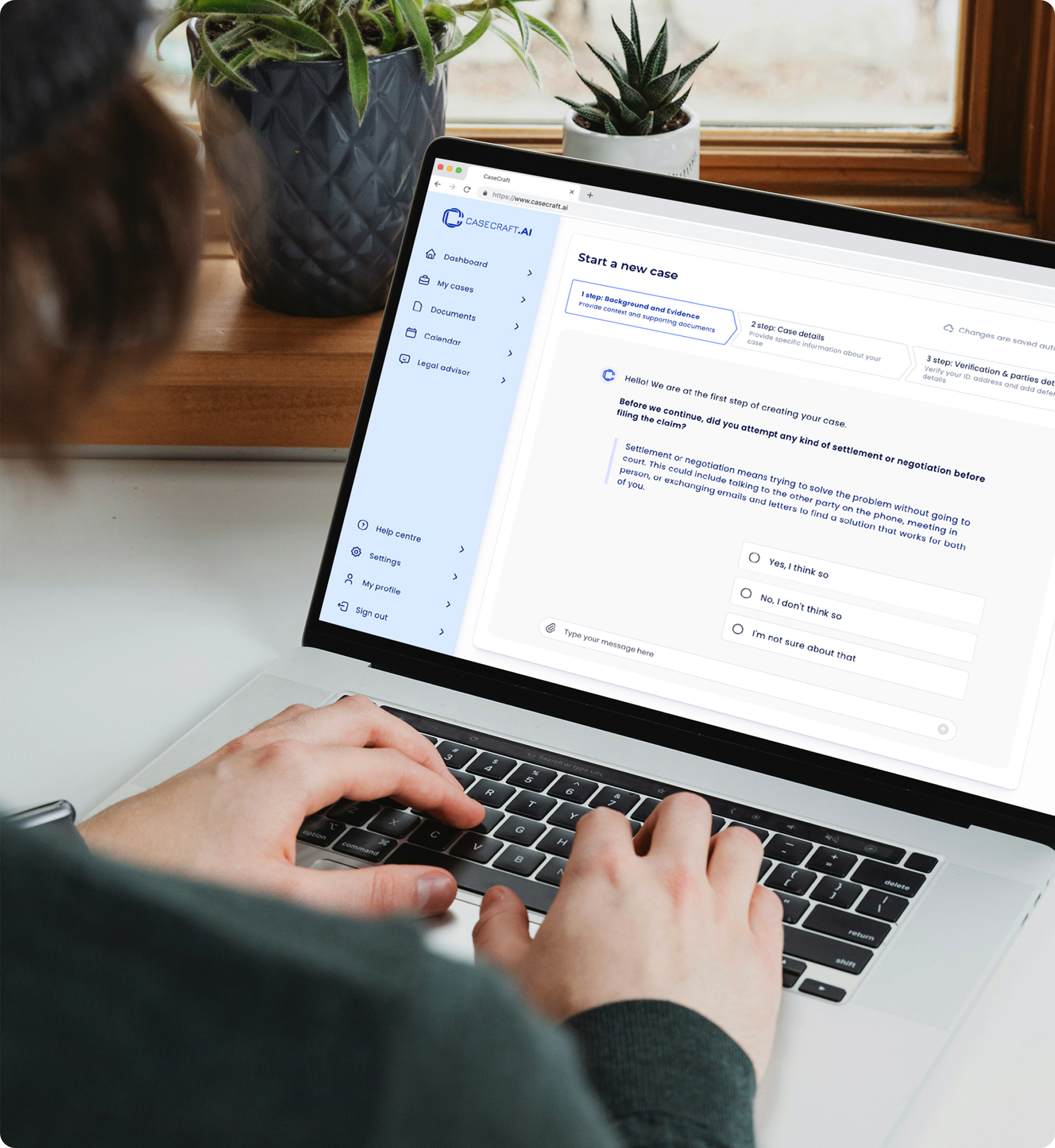
Making a sea injury claim with CaseCraft.AI is simple. We’ve distilled the complex legal process into clear, actionable steps:
Select Your Case Type
Choose whether you are filing a claim (as claimant) or responding to one. This ensures the right forms and guidance are displayed.
Eligibility Check
Our questionnaire asks whether your claim is under £10,000 and whether the defendants have an address in England or Wales. You can also confirm that your claim isn’t against a government department and isn’t related to tenancy deposits.
Background and Evidence
Upload contracts, invoices, witness statements, photographs and medical reports. For sea accidents, this might include a ticket, booking confirmation, accident report or communication with the operator.
Claim Details
Describe what happened, when, where and how you were injured. Our AI will help you articulate the essential facts without legal jargon.
Verification and Party Details
Confirm your identity and enter the defendants’ information. You’ll need an address for service in England or Wales, even if the accident happened abroad.
Submission and Fees
Pay a £15 processing fee to submit your claim. This covers administrative costs; if you win, we retain 10 % of the award as a success fee.
Case Management
Once your claim is filed, you’ll see its status on your personalised dashboard. Real‑time notifications remind you of deadlines and next steps. You can store documents securely, communicate with the defendant and track payments.
Maritime Injury Claims Explained
Deadlines That Apply to Maritime Claims
Time limits are critical in maritime law. In England and Wales, most personal injury claims must be filed within three years of the accident. However, accidents at sea must usually be commenced within two years. This shorter period reflects international conventions such as the Athens Convention, which apply to cruise and ferry operators. For work‑related accidents on merchant shipping or fishing vessels, the Merchant Shipping and Fishing Vessels (Health, Safety & Welfare) Regulations 1999 may apply, and there are exclusions from general workplace regulations.
CaseCraft.AI takes the stress out of deadlines. When you set up your claim, the system automatically calculates the limitation period and adds smart deadline alerts to your dashboard.
Who Can I Make a Claim Against?
Liability in sea injury cases isn’t always straightforward. The responsible party may be:
- The vessel owner or operator – A ferry company, cruise line or tour operator owes passengers a duty of care. If your injury resulted from poor maintenance, inadequate staffing or failure to enforce safety rules, they may be liable.
- Your employer – If you were working when injured (as a crew member, offshore engineer or contractor), your employer may be responsible under health‑and‑safety regulations. The Merchant Shipping and Fishing Vessels (Health, Safety & Welfare) Regulations 1999 give merchant seamen specific protection.
- A manufacturer or shipbuilder – Defective equipment, faulty design or construction flaws could implicate a third party. As one law firm explains, it may be possible to bring a claim against a shipbuilder depending on the circumstances.
- Other passengers or tour organisers – Reckless behaviour by another passenger or negligent organisation of activities (e.g. parasailing, scuba diving) can give rise to a claim.
Can I Claim on Behalf of a Loved One Who Has Died at Sea?
Losing someone in a maritime incident is heart-wrenching. Under UK law, families or executors of deceased estates may, where death was caused by negligence, pursue a claim for financial dependency or for funeral expenses. While the vast majority of maritime accidents resulting in death come in above the small-claims threshold, you can still make claims under smaller amounts (such as unpaid refunds or non-provision of services) using CaseCraft.AI.
Most claims must be filed within three years of the death date; however, the two-year maritime limitation may apply if the death occurs while under carriage, as per the Athens Convention. As fatal claims require complex interpretation of dependency and bereavement damages, we recommend obtaining specialist legal advice for higher valued claims.
Can I Make a No Win No Fee Claim?
Funding your case can be a worry. Many traditional solicitors act on a no-win, no-fee basis, meaning you pay nothing if the case is lost. At CaseCraft.AI, we believe that access to justice should not be conditioned by the size of your wallet or the intricacies of the law. Maritime claims can involve international treaties, stringent timelines, and multiple jurisdictions that can be extremely daunting for the average person.
We are upfront about the costs: you pay a small processing fee when submitting your claim, and if you win, we take only 10% of the compensation. There are no hidden fees and no hourly rates. We put you in control and charge a fee for our guidance, so you will not need to pay any solicitor’s fee, unless you want extra assistance afterwards.
Case Study: Claim for Breach of Contract

A client paid £5,000 for a one-month agreement to use commercial premises but was denied access after just five days. The provider refused to refund the unused period.nnThe claim was filed for fundamental breach of contract and unjust enrichment. When the defendant failed to respond, the court issued a default judgment, granting full recovery including fees and interest.

CaseCraft.AI supports all common types of small money claims
From offshore accidents to injuries aboard ships — sea injury claims help you recover compensation for harm suffered at sea. CaseCraft.AI guides you through the process quickly and affordably, without legal complexity.
Don’t Wait – Get Started Today!
Take the first step toward a faster, easier small claims process with CaseCraft.AI.