

Service Delivered Late: Compensation Rights Under UK Law
Was a service delivered late? Learn your rights under UK law, when you can claim compensation, and how to challenge delays or seek a refund.


When Late Delivery of a Service Counts as a Breach of Contract?
Not every delay justifies a claim. To determine whether a service delivered after the deadline gives you compensation rights, consider the contract terms and how the delay affected you.
- Agreed, deadlines matter. Where the contract (verbal or written) states a completion date, missing that date is a deadline breach and may amount to a breach of contract or service delay. If the contract states that “time is of the essence,” the deadline becomes a condition; even a small delay allows the innocent party to terminate the contract and claim damages.
- Reasonable time obligation. Even when no date is specified, the trader must complete the work within a reasonable time. A service not completed on time that causes significant inconvenience or financial loss qualifies as a service delay consumer rights issue.
- Delays make the service unusable. If lateness means the service has no value, for example, an electrician fails to finish before an inspection or a broadband installation is weeks late, and you pay alternative suppliers, the delay may constitute non‑performance.
- Repeated postponements or poor workmanship. Repeated delays suggest the provider is not performing with reasonable care and skill. A court may treat this as a breach of reasonable care and skill and allow you to terminate or claim a refund for the late service in the UK.
Concrete Examples
Electrician delaying installation
A landlord hires an electrician to install wiring before tenants move in. The contractor agrees to finish by 1 May but completes on 20 May. Because electricity supply is essential for occupancy, the delay forces the landlord to pay three weeks’ rent to alternative accommodation, costs due to delays of, say, £450. This would justify a late service small claim UK for the extra rent and possibly service delay damages.
The plumber is causing further damage
A plumber promises to replace a leaking pipe within two days. The job is delayed for a week, causing water damage costing £800. Under contract law, the plumber’s delay breaches the term for reasonable time and care. The customer can demand compensation for late service in the UK, including the repair costs.
Decorator is missing a critical date
You book a decorator to finish before a big family event. The work runs two weeks late, leaving the walls unfinished. The missed deadline undermines the contract’s purpose. If you made “time of the essence” by writing to the decorator with a final deadline (a legally recognised step), you could terminate the contract and claim a refund and late damages.
Broadband installation delay
A provider agrees to install the internet by 5 June but completes on 25 June. Because the contract didn’t specify “time is of the essence,” the law implies completion within a reasonable time. You can seek a price reduction if the delay caused additional data costs.
UK consumer protection gives you strong legal tools when a service is delivered late, poorly, or not at all. These rights come from both statute and contract law and apply even when the agreement was informal.
Your Legal Rights Under UK Law
Consumer Rights Act 2015 and Contract Law
The Consumer Rights Act 2015 sets minimum standards for services. The work must be carried out with reasonable care and skill, for a reasonable price, and within a reasonable time when no deadline was agreed in advance.
Any information you relied upon, such as a promised completion date, becomes part of the contract. When a service is not completed on time or fails to meet these standards, you gain clear statutory remedies.
- Repeat performance means the trader must redo the service to an acceptable standard at no extra cost and within a reasonable time. This is usually the first remedy in a service completion dispute.
- Price reduction or refund applies when repeat performance is impossible or would cause significant inconvenience. You can demand a price reduction of up to 100% of the service price. Any agreed refund must be paid within 14 days.
- Making time of the essence allows you to turn timing into a strict legal condition. If the contract has no deadline, you can give written notice setting a final date for completion. The Richmond council guide confirms that declaring time of the essence allows you to claim a price reduction or a full refund if the trader misses the new deadline. This notice converts an implied term into a condition of the contract.
- Beyond statute, contract law also applies when delays are severe. Legal analysis confirms that where “time is of the essence,” the deadline becomes a condition. Missing it allows the innocent party to end the contract and claim damages.
What About Professional Services?
Professional services such as surveyors, architects and accountants must also meet the standard of reasonable care and skill. Even without an explicit deadline, unreasonable delay or non-performance may justify contractor delay compensation. CaseCraft.AI’s professional services disputes page explains how to assert these rights and prepare evidence. You can also use internal resources to explore breach of contract claims and refund disputes in more detail.
What Compensation Can You Claim for Late Service Delivery?
When you pursue compensation for late service in the UK, you’re not limited to the service price. You may recover any reasonable losses that flow from the delay. Courts compensate actual financial loss, not inconvenience alone.
Heads of Loss
|
Type of loss |
What you can claim |
|
Refund or price reduction |
A partial or full refund for the service if the work was late or unsatisfactory. |
|
Additional costs |
Expenses caused by the delay, such as hiring an alternative provider, paying rent for temporary accommodation, or arranging temporary internet service. These costs due to delays must be proved with receipts. |
|
Damage caused by the delay |
If lateness causes damage, such as water damage from a delayed plumbing repair, you can claim the repair cost as service delay damages. |
|
Rescheduling expenses |
Costs of rearranging deliveries or events due to the provider’s delay, including moving van costs and event cancellations. Records of all additional spending should be kept. |
|
Claim issue fees |
When you file a late service small claim in the UK, issue fees range from £35 for claims up to £300 to £455 for claims up to £10,000, depending on claim value. |
|
Small claims hearing fees |
If the case proceeds to a hearing, hearing fees range from £27 for lower-value claims to £346 for higher-value claims. |
Remember that compensation doesn’t usually cover emotional distress. Courts award damages for proven financial loss, not inconvenience. However, a court may award interest on the amount owed from the date it was due.
Note: Court fees are periodically increased for inflation. Always check the official GOV.UK court fees page for the most current rates.
How to Deal with a Late Service: Step‑by‑Step
Follow these steps to protect your service delay consumer rights and build a strong contractor late completion claim.
Gather Evidence
Written contracts, quotations, or order forms that specify dates should be collected first. Text messages and emails discussing timing are also important. Photos, invoices and messages that show the impact of the delay, such as water damage or empty rooms, should be included as evidence. Receipts for costs due to delays, including alternative contractors or temporary accommodation, must always be retained.
Notify the Service Provider
Explain that the work has not been completed on time and describe the impact. Mention the statutory obligations under the Consumer Rights Act 2015, reasonable care, skill and time. Ask the provider to remedy the situation (complete the service, repair defects or compensate for the losses) and indicate what you expect.
Give a Reasonable Final Deadline
If the work is ongoing, write a notice making time of the essence. Specify a final date for completion and warn that failure to meet it will result in you seeking a refund. This converts the timing into a condition and strengthens your breach of contract service delay claim.
Request a Refund or Price Reduction
If the service has already been delivered after the deadline, ask for a refund for late service in the UK or a price reduction. Under the Act, you can bypass repeat performance when redoing the work would take too long or be inconvenient. Suggest a reasonable figure based on your losses and be prepared to negotiate.
Obtain Quotes for Replacement or Remedial Work
If the original provider cannot complete the job, get alternative quotes. These quotes will help quantify the service delay damages and show the court the cost of remedying the breach. If the trader refuses to pay, you may recover the replacement cost through a service-delivered-late small claims action.
Send a Formal Complaint
Draft a complaint letter summarising the breach. Include dates, what was agreed, the delay’s impact, your evidence and the remedy you seek. Mention the Consumer Rights Act 2015 and the concept of “reasonable time” and “reasonable care.” Attach supporting documents. Sending a formal complaint often prompts a settlement.
Issue a Letter Before Action
Before filing a claim, send a letter before action (LBA) setting out your intention to take legal action if the provider does not respond or settle within a specified period. This letter is a procedural requirement for small claims. CaseCraft automatically generates LBAs tailored to contractor delay compensation claims, ensuring you comply with court protocols.
File a Small Claim
If negotiations fail, you can file a small claim in the UK through the civil court. Use the evidence you’ve collected and state the exact compensation amount (service price, additional costs and court fees). Court fees depend on the claim’s value, but successful claimants usually recover those fees. Mediation is often offered before a hearing, so keep communication open.
Common Late‑Service Dispute Examples
These situations often give rise to service-delivered-late compensation claims:
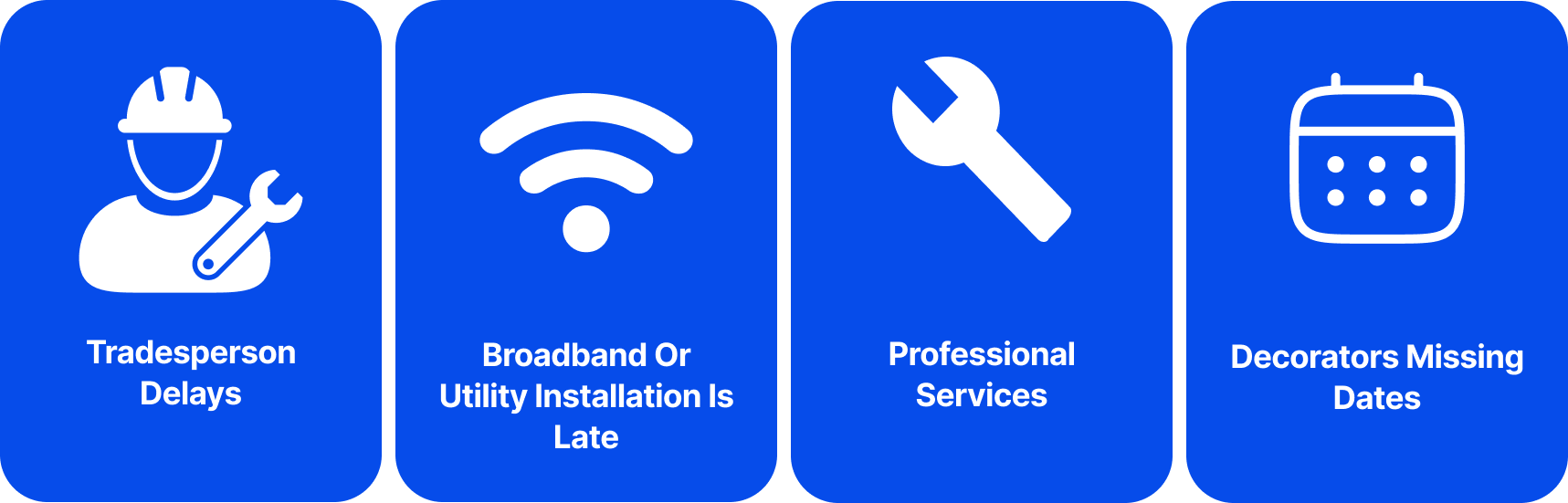
- Tradesperson delays: Builders or contractors finish work weeks behind schedule. If a kitchen remodel overruns and you have to dine out for two weeks, you can claim the extra costs in a service delay consumer rights case.
- Broadband or utility installation is late: Internet or utility providers promise activation by a specific date, but delay activation. Consumers may seek a refund for late service in the UK and compensation for additional mobile data charges.
- Professional services delivered after a critical event, such as Wedding photographers delivering photos months late or accountants missing tax filing deadlines, cause service delay damages. You may pursue a contractor delay compensation claim for the financial loss.
- Decorators missing dates: Painters fail to finish before tenants move in. Landlords may file a contractor late completion claim for rent lost due to the delay.
- Repair services causing further damage: Late repairs on appliances or roofs can lead to additional breakages, forming the basis for service completion dispute claims.
For more context, explore CaseCraft.AI’s guides on builder disputes, housing disrepair claims and breach of contract disputes.
How CaseCraft.AI Helps Resolve Late‑Service Disputes?
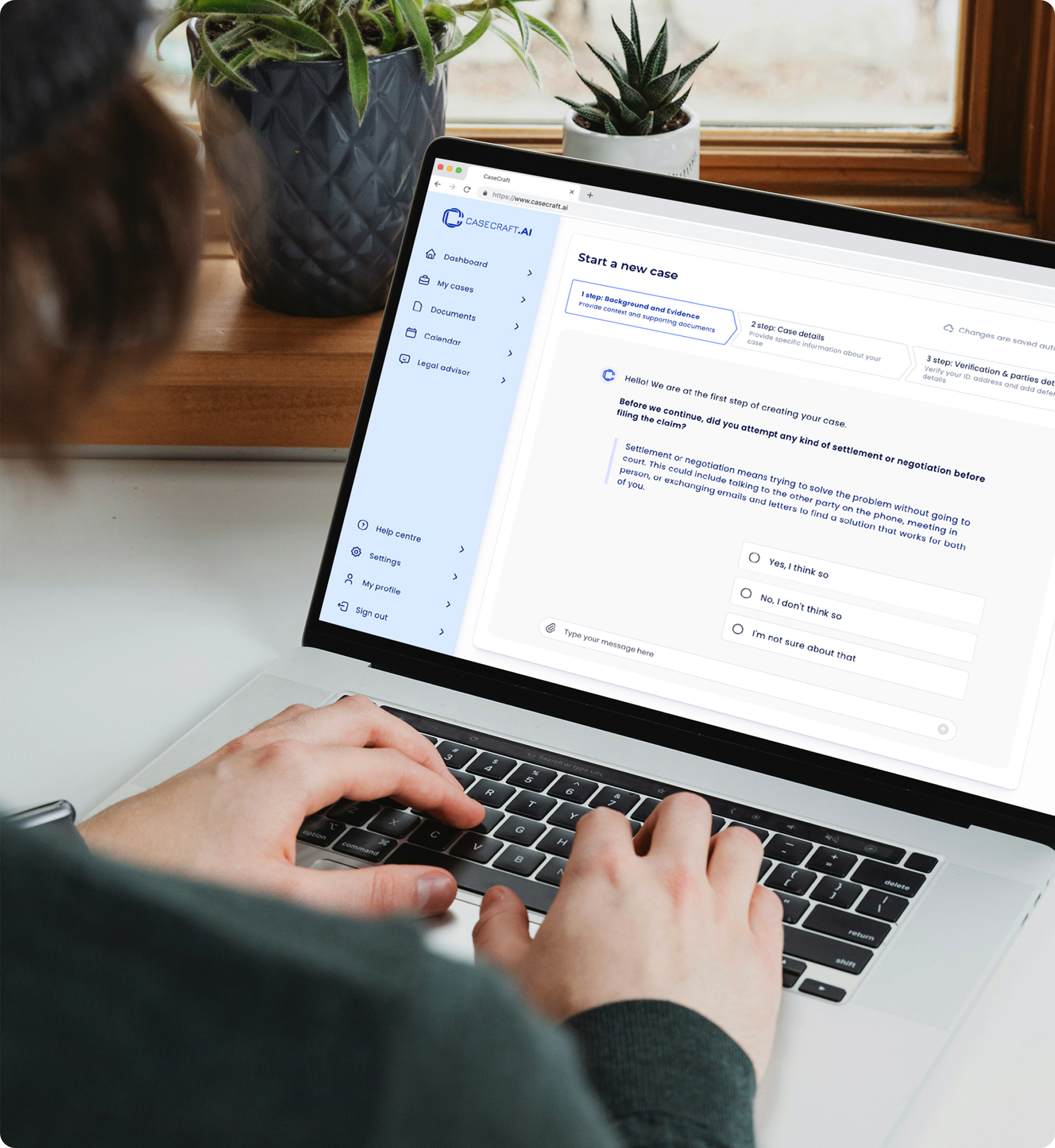
Preparing a service-delivered-late small claims case can be daunting, but you don’t need to be a lawyer. CaseCraft.AI is a platform designed for everyday people. It guides you through the claim process, just like an expert would. You pay a fixed £15 setup fee and 15% only if your claim succeeds. There are no hidden fees, so you know the costs upfront.
Because CaseCraft isn’t a law firm, it allows you to pursue service-delivered-late compensation or contractor delay compensation without expensive solicitors. Whether you are filing or defending a claim, CaseCraft.AI prepares court‑ready documents and tracks deadlines. You remain in control while being guided through the process.
Take the Next Step
A late or poorly completed service is more than an annoyance – it’s a breach of your rights. UK law entitles consumers to services delivered late when contractors miss deadlines or fail to finish on time.
Don’t let a provider’s deadline breach leave you out of pocket. Collect your evidence, set clear deadlines and know your rights.

Friendly Asked Questions
When can I claim compensation for a service delivered late?
You can claim when the provider misses an agreed deadline or fails to complete within a reasonable time. If the delay makes the service worthless or causes you financial loss, it may be a service delivered late, a small claims matter. Make “time of the essence” by sending a final deadline notice.
What counts as a “reasonable time” for a service provider?
There’s no fixed rule. The Consumer Rights Act 2015 says services must be performed within a reasonable time if no date is agreed. Consider the type of work and typical industry timelines. If the provider takes significantly longer than comparable traders, you may have a breach of contract service delay claim.
Can I get a refund if the service was completed but late?
Yes. If repeat performance is impossible or would be very inconvenient, you can demand a price reduction up to a full refund. A refund for late service in the UK can also include reimbursement of extra costs caused by the delay.
What if no deadline was written in the contract?
Write to the provider, making completion by a specified date “time of the essence.” If they miss this new date, you can terminate the contract and seek a refund. Without such notice, courts apply the reasonable time standard.
Do I need written proof of the agreed timing?
Written proof strengthens your service delay consumer rights case, but verbal agreements and texts count too. Emails, WhatsApp messages and even verbal promises can become contractual terms when you relied on them. Always document what was agreed and any changes.
Can I claim the cost of hiring someone else?
Yes. If the original contractor fails to finish and you hire another provider, the extra cost is recoverable as service delay damages. Gather quotes and receipts; courts award reasonable additional expenses.
Case Study: Claim for Breach of Contract

A client paid £5,000 for a one-month agreement to use commercial premises but was denied access after just five days. The provider refused to refund the unused period.nnThe claim was filed for fundamental breach of contract and unjust enrichment. When the defendant failed to respond, the court issued a default judgment, granting full recovery including fees and interest.

CaseCraft.AI supports all common types of small money claims
From missed deadlines to services completed far later than promised, late delivery can lead to stress, disruption, and financial loss. CaseCraft.AI helps you understand your compensation rights under UK law and claim what you’re owed quickly and affordably, holding service providers accountable without legal complexity.
Don’t Wait – Get Started Today!
Take the first step toward a faster, easier small claims process with CaseCraft.AI.