

Unfair Terms in Consumer or Service Contracts: Your Rights Explained
Facing unfair terms in a contract? Learn your UK consumer rights and how to challenge hidden fees, auto-renewals, and one-sided service terms.


What Counts as an Unfair Contract Term?
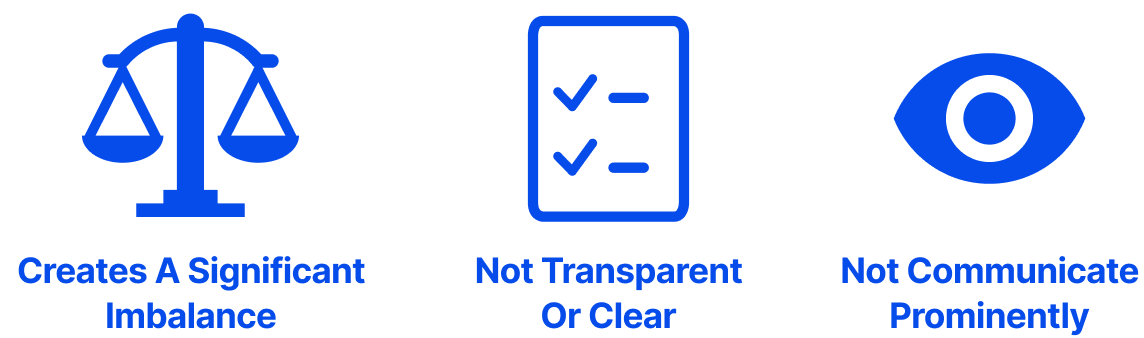
An unfair service contract clause is one that creates a serious imbalance between you and the business. Under the Consumer Rights Act 2015 and earlier Unfair Contract Terms Regulations, a term is unfair if it is not transparent, was not properly communicated or restricts your legal rights. Examples include:
- Hidden charges – charges tucked away in the small print that you only discover after checkout.
- Unreasonable penalties – such as excessive cancellation fees or charges that far exceed the business’s actual loss.
- Ambiguous or confusing clauses – wording that can be interpreted in more than one way is read in favour of the consumer.
- Unilateral contract changes – clauses allowing the business to change prices or services without your agreement.
Why Fairness and Transparency Matter?
The Consumer Rights Act 2015 requires contract terms to be transparent and prominent. The Act also contains a proportionality test – charges or penalties must reflect the trader’s real costs. If a clause goes beyond this, it may be an unbalanced contract term. The Competition and Markets Authority (CMA) enforces these rules and can take action against traders who use unfair notices or terms.
New powers under the Digital Markets, Competition and Consumers Act 2024 allow the CMA to impose fines up to 15% of a company’s global turnover for breaches. Upcoming regulations will also require clearer pre‑contract information and timely renewal reminders for subscriptions.
Your Rights Under UK Law
UK consumer law provides strong protection against unfair terms. Here are the key instruments and how they help you:
Consumer Rights Act 2015
- Fairness test: A term is unfair if, contrary to the requirement of good faith, it causes a significant imbalance in the parties’ rights and obligations.
- Transparency requirements: Terms must be written in plain, intelligible language and be brought to your attention before you sign.
- Interpretation in your favour: If a clause is ambiguous, courts interpret it in favour of the consumer.
- Unfair terms are not binding: An unfair term is unenforceable, though the rest of the contract may still stand. Earlier legislation, such as the Unfair Contract Terms Regulations, laid the groundwork for today’s Consumer Rights Act protections.
Consumer Contracts Regulations 2013
These regulations require businesses to provide clear, upfront information about total price, contract duration and cancellation rights. Free trials and auto‑renewal must be transparent and easy to cancel. Hidden fees are likely unlawful.
Contract Law Principles
General contract law says that terms presented only after payment are rarely enforceable. “Penalty clauses” must reflect actual loss; otherwise, they may be considered excessive early termination charges and struck out.
New Rules for Subscriptions and Auto‑Renewal
From spring 2026, stricter rules on subscription contracts take effect under the DMCC. Businesses will have to:
- Provide clear pre‑contract information and highlight any auto‑renewal unfair terms.
- Send timely renewal reminders.
- Offer a simple way to cancel, including through the account dashboard.
- Allow a cooling‑off period for new subscriptions.
These changes are designed to prevent “subscription traps” and reduce hidden fees.
Common Types of Unfair Contract Terms
Below are some of the most frequent issues that lead to small claims for unfair contract terms in the UK and how they might appear in everyday transactions.
Hidden Fees
- Mandatory charges buried in the small print: Some companies add extra fees for processing, booking or administration without displaying them prominently.
- Dynamic pricing or “drip pricing”: Advertised prices may exclude optional extras, which are only revealed at checkout.
Excessive Cancellation Fees
- High penalties for ending a contract early: Gyms or broadband providers sometimes demand payment of the entire remaining contract value if you cancel. Paying for the full remaining term is common but may be unfair if you face illness, job loss or other hardship. The Consumer Rights Act unfair terms may allow you to challenge fees that exceed the trader’s actual loss.
- Examples with real numbers: Broadband exit fees are often calculated by multiplying the monthly charge by the number of months remaining. For instance, a provider charging £30 per month may require £180 to terminate a six‑month contract.
Auto‑Renewal Without Clear Notice
Auto‑renewal clauses are not inherently unfair, but they must be clear and provide a way to opt out. A nine‑month notice requirement to cancel a twelve‑month contract has been deemed excessive. When companies renew subscriptions without highlighting this, or hide the clause in lengthy terms, they risk creating unfair terms.
Unfair Minimum‑Term Contracts
Long minimum periods tie customers into paying even when service quality drops. Terms that prevent cancellation before the end of a long contract, or impose high exit fees, may be unfair minimum term contracts. Modern consumer law demands proportionality, and courts may refuse to enforce such restrictions.
Unilateral Contract Changes
Clauses that allow businesses to raise prices or reduce service quality without your agreement are often unenforceable contract terms in the UK. The Consumer Rights Act 2015 says important changes must be highlighted, and you must be allowed to cancel if you do not agree.
Refund Restrictions
“No refunds under any circumstances” clauses are almost always unfair. The law says refund policies must be clear and proportionate, and you are entitled to a refund if a service is not delivered as promised.
Ambiguous or Misleading Clauses
Poorly written terms can be interpreted in more than one way. Under UK law, ambiguity is resolved in favour of the consumer. Clauses provided only after payment or hidden behind a paywall are likely unenforceable.
How to Deal with Unfair Contract Terms (Step‑by‑Step)?
Challenging unfair clauses requires organisation. Follow this sequence to challenge unfair contract terms effectively
Collect All Contract Documents
Gather every document related to the contract, including:
- The terms and conditions are presented before purchase.
- Screenshots of checkout pages showing pricing and any contract terms not communicated clearly.
- Emails or messages confirming terms, price and duration.
- Marketing statements and adverts. Promotional claims form part of the contract and may help prove a clause is unfair.
Identify Potentially Unfair Clauses
Look for features like:
- Lack of transparency (hidden fees or unfair notice periods).
- Timing – were terms shown before payment?
- Proportionality – do fees reflect the trader’s actual loss?
- Imbalance – does the term restrict your rights more than the business’s?
Ask the Business for Clarification
Contact the company and request justification for the fee or clause. Ask for evidence that the term was disclosed properly. This may lead to a refund or a clearer explanation. Keep all correspondence.
Formally Challenge the Unfair Term
If the business refuses to change the clause, cite the Consumer Rights Act 2015 and explain why the term is unfair, for example, because it creates a significant imbalance or was not transparent. Ask the company to stop relying on the term and to refund any money taken under it.
Request a Refund or Price Reduction
If you suffered a loss due to an unfair clause, request a refund or a reduction in price. Under the law, you may be entitled to recover fees that exceed the trader’s actual loss.
Send a Formal Complaint
If you receive no satisfactory response, lodge a formal written complaint. Outline the clause, why it is unfair and the remedies you seek. Include copies of your evidence. Many companies will settle to avoid formal proceedings.
Issue a Letter Before Action
Before filing in court, you must send a Letter Before Action outlining your case and giving the business a deadline (usually 14 days) to respond. CaseCraft.AI’s platform can generate this letter automatically and ensure it meets legal requirements. Sending this letter shows the court you tried to resolve the dispute amicably.
Begin a Small Claim
If the business still refuses to compensate you, you can file a small claim. In England and Wales, the small claims limit is generally £10,000, or £1,000 for certain landlord disputes. You do not need a solicitor; the process is designed for individuals. Court fees apply and rise with the claim amount: issuing a claim up to £1,000 costs £70, while a claim for up to £10,000 costs £455. Hearing fees may add £25–£335. If you win, the defendant can be ordered to reimburse your fees.
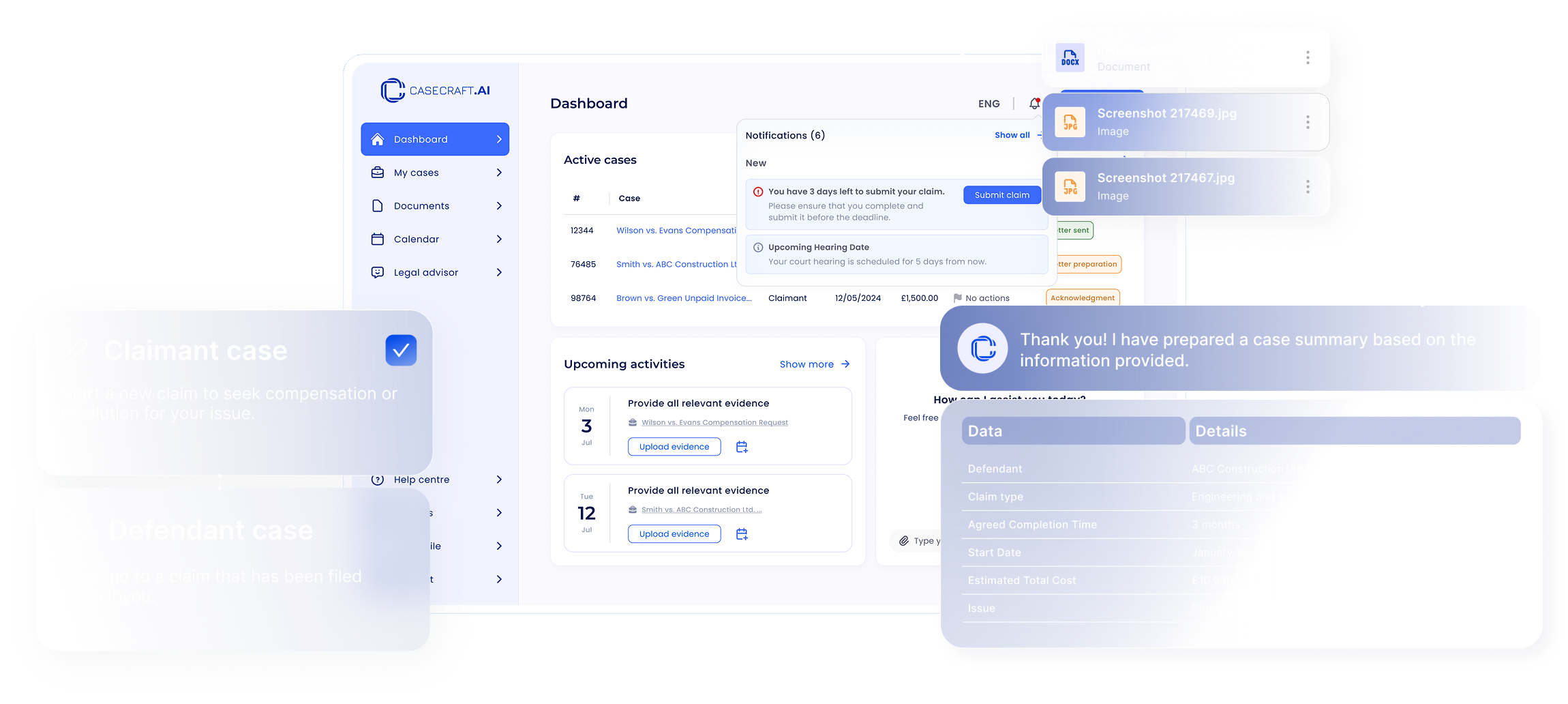
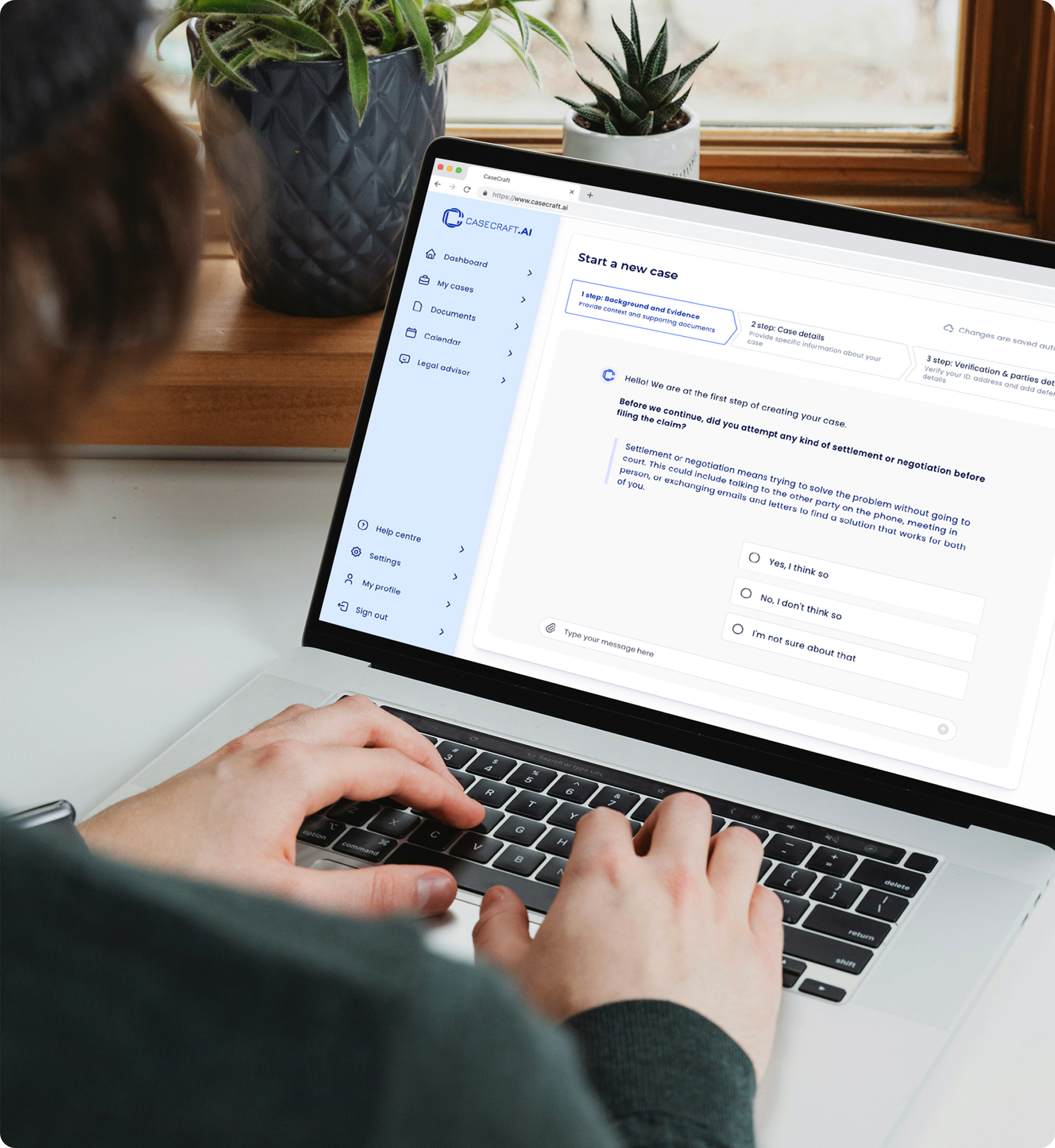
CaseCraft.AI’s platform simplifies this entire process: it prompts you to upload evidence, helps complete the particulars of the claim form and sends court documents electronically. Most users file within 15 minutes and pay a fixed £15 setup fee plus 10 % of any successful claim.
What You Can Claim?
When challenging unfair terms, compensation usually covers financial losses. You may claim:
- Refunds of fees charged under unfair clauses.
- Price reductions if services were not delivered as promised.
- Damages for direct financial loss, such as paying for alternative services.
- Reimbursement of court fees and reasonable expenses if you win.
Limitations and Timeframes
- You have six years from the date the breach occurred to file a claim.
- In landlord/tenant disputes, you can claim up to £1,000 for certain repair obligations and up to £10,000 for compensation.

Common Scenarios Involving Unfair Terms
Unfair clauses appear in many sectors. Here are some real‑life examples:
- Subscription auto‑renewed without notice: A streaming service automatically renews your subscription without notifying you. If you forgot to cancel, the charge may be valid, but if the service hid the renewal terms, you can dispute the fee. The law requires clear pre‑contract information and renewal reminders.
- Gym contract claiming a year’s fees for early cancellation: Gyms often insist on payment of the remaining term if you cancel early. Terms can be challenged if you face injury or financial hardship. A nine‑month notice period in a twelve‑month contract is likely unfair.
- Service provider increasing prices mid‑contract: If your contract allows the company to raise prices without your agreement, the clause may be unenforceable. The law says significant changes must be highlighted, and you must have the right to cancel.
- Terms provided only after payment: If you are given terms after the transaction, they are unlikely to be binding. You may be able to argue that you did not agree to them and seek a refund.
These real‑world examples underline why consumers must be vigilant about unfair terms in consumer contracts. You have unfair terms consumer rights that allow you to challenge any unfair service contract and refuse to comply with clauses that were hidden, unclear or disproportionate.
Friendly Asked Questions
Are unfair contract terms legally enforceable?
No. An unfair term is an unenforceable contract term; UK law says it does not bind consumers. The rest of the contract may still stand.
What makes a contract term unfair?
A term is unfair if it creates a significant imbalance, is not transparent or was not communicated before purchase. Fees must reflect the trader’s actual loss; otherwise, they are excessive early termination charges.
Do I need to sign a contract for a term to be binding?
Not necessarily. Terms can be agreed orally or online. However, contract terms not communicated before purchase are unlikely to be enforceable.
Can a business impose hidden charges?
Under UK consumer law, businesses must display all charges prominently. “Drip pricing” or adding mandatory fees at checkout is likely unfair.
Is auto‑renewal legal in the UK?
Auto‑renewal is permitted if the clause is transparent, you receive renewal reminders and can cancel easily. From 2026, the DMCC will require clearer notices and cooling‑off periods.
Can I get a refund for an unfair cancellation fee?
Yes. If a cancellation fee is disproportionate to the trader’s actual loss, you may challenge it. Courts often strike down excessive cancellation fees.
Case Study: Claim for Breach of Contract

A client paid £5,000 for a one-month agreement to use commercial premises but was denied access after just five days. The provider refused to refund the unused period.nnThe claim was filed for fundamental breach of contract and unjust enrichment. When the defendant failed to respond, the court issued a default judgment, granting full recovery including fees and interest.

CaseCraft.AI supports all common types of small money claims
From hidden fees to one-sided cancellation clauses or unfair penalties, unjust contract terms can leave consumers at a serious disadvantage. CaseCraft.AI helps you understand your rights, challenge unfair terms in consumer or service contracts, and seek fair outcomes quickly and affordably—without legal complexity.
Don’t Wait – Get Started Today!
Take the first step toward a faster, easier small claims process with CaseCraft.AI.